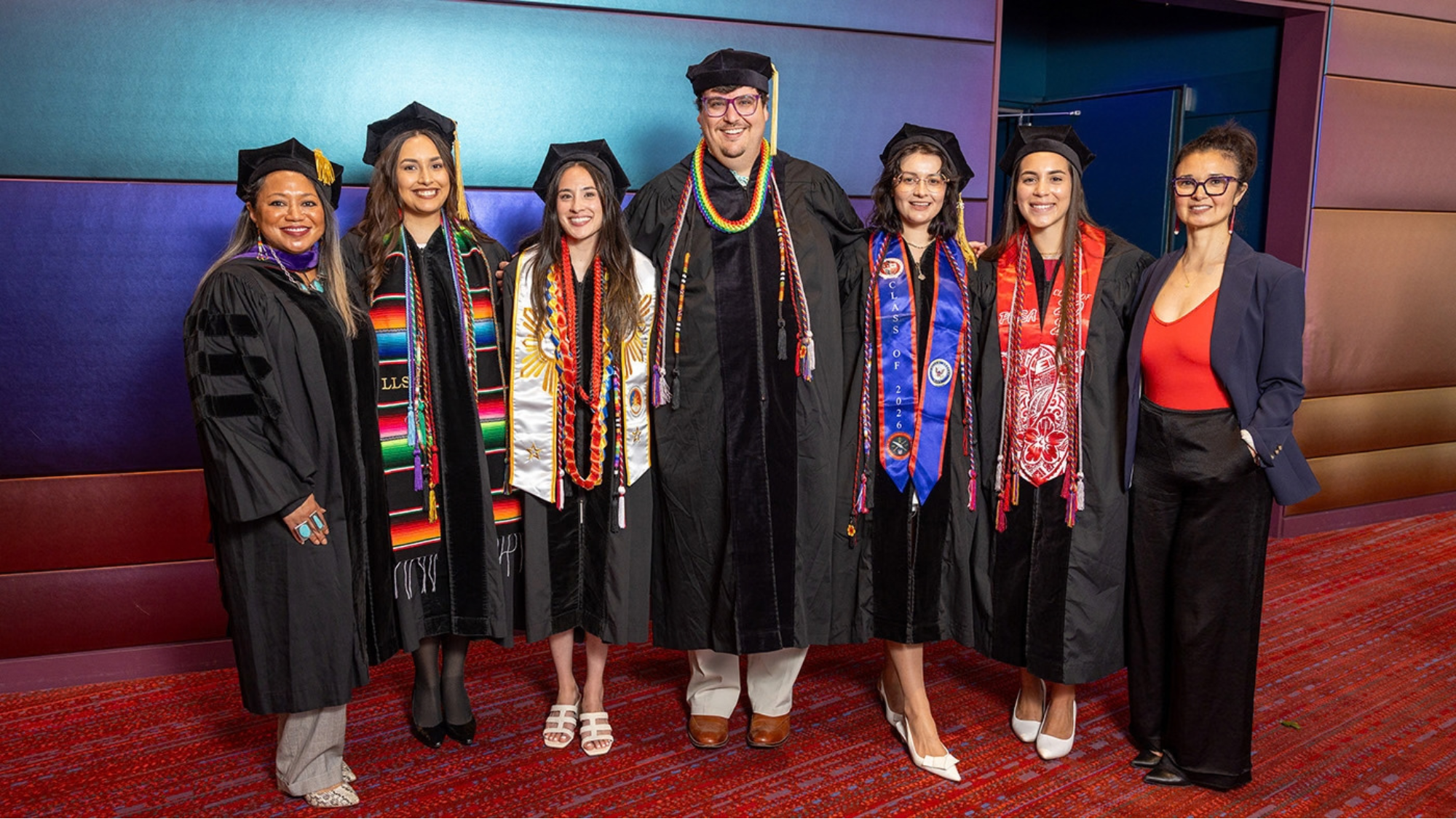
The Northwest Center for Indigenous Law (NCIL) at Seattle University School of Law has received a three-year, $300,000 grant from the First Nations Development Institute, in partnership with the Ishkode Fund, to launch the Tribal Estate Planning and Legal Access Fellowship. The award marks the latest milestone in a period of significant growth for the center, which has spent the past two years expanding its programming, reach, and national profile.
Coordinated by NCIL Director Brooke Pinkham (Nez Perce), the fellowship will address a critical and often overlooked legal need in tribal communities - access to estate planning services. The program will pair legal education and outreach with hands-on training for law students, who will gain direct, community-based experience while helping meet a documented gap in legal access. The program also revives and expands work the center launched in 2006 through the Indian Estate Planning Institute. After funding challenges led to the program's closure several years ago, this new opportunity allows the center to once again provide much-needed estate planning services to tribal communities, beginning with a small number of communities and expanding over time. The program helps address the fractionation of Native American trust and restricted lands, a longstanding issue created when ownership interests pass to multiple heirs across generations, making land increasingly difficult to manage, use, lease, or develop.
"Estate planning is a critical, often under-addressed need in tribal communities - one that directly affects the protection of land, resources, and generational wealth," said Pinkham. "This fellowship allows us to respond to that need while preparing law students to practice with the cultural competence and care that this work demands."
Supplemental programming will include outreach to tribal communities to build understanding of estate planning's importance and connect community members with legal resources. First Nations Development Institute, a nonprofit that supports Native economic development through technical assistance, training, and grantmaking, will provide the funding and partnership behind the initiative.
The grant arrives at a pivotal moment for NCIL, which released its first-ever community report this June, chronicling nearly two years of what the center's leadership describes as "meaningful momentum." Faculty Director Nazune Menka (Koyukon Athabaskan/Lumbee) and Pinkham have used that period to reposition the center under a new name and expanded mission, rebranding in 2025 from the Center for Indian Law & Policy to the Northwest Center for Indigenous Law. The new name reflects a broader scope of work, one inclusive of Alaska Native and Pacific Islander communities alongside the federal Indian law tradition the center was built on.
That expanded vision has translated into new programming across NCIL, including a certificate program training students in Indigenous law and a new clinical partnership giving students direct courtroom experience in tribal courts. The center has also invested heavily in community outreach and recruitment, contributing to record growth in Indigenous applicants to the law school in recent years.
Both Menka and Pinkham bring deep personal and professional ties to the communities NCIL serves, and both have remained active voices in regional and national conversations on tribal sovereignty, Indigenous rights, and legal education. Their continued leadership has helped elevate the center's profile, both within the Pacific Northwest and across the broader field of Indigenous law.
Taken together, the new fellowship joins a growing list of NCIL programs and partnerships built to move Indigenous students from legal education into practice, while expanding access to justice for the tribal communities the center serves.
"We're honored to partner with the First Nations Development Institute on a program built to create real, lasting impact for the communities we serve," Pinkham said.